The Deadline Trick: How UK Tax Scams, Fake HMRC Calls, and Urgency Fraud Work and How to Stop Them

.jpg)
You get a message. Tax unpaid. Fine overdue. Licence about to expire. Act now or face consequences. Your stomach drops. You reach for your phone. That moment, the one where you stop thinking clearly, is exactly what the scammer is counting on.
Why Deadline Pressure Makes UK Scams So Difficult to Spot
Urgency is not a new trick. But it has never been this easy to scale, or this hard to spot. When a deadline arrives, rational thinking slows, and the instinct to act takes over. That is the exploit. Not your password, not your account. You, in that moment.
Scammers know the UK calendar. They know when tax returns are due, when road tax renewals land, and when council tax demands drop. They plan around those dates because a message that feels expected is a message people act on.
UK Deadline Scams: From Fake HMRC Calls to DVLA Texts and Invoice Fraud
Fake HMRC Calls, Texts, and Phishing Emails: What They Look Like
Between February and December 2025, HMRC received more than 135,500 reports of suspected scams, including 29,000 relating to fake tax refund claims. Over the same period, HMRC shut down nearly 25,000 fraudulent websites and phone numbers.
The messages follow a pattern: you owe tax, a penalty is coming, a refund is waiting. The tone is official. The logo looks right. The link leads somewhere it should not.
In a separate incident fraudsters used data obtained through phishing to access approximately 100,000 HMRC online accounts, filing fraudulent repayment claims that cost HMRC £47 million.
The accounts were not breached through any failure in HMRC's systems. The fraud worked because people were persuaded to hand over their own credentials first.
DVLA Scam Texts and Emails: The Vehicle Tax and Licence Renewal Trick
DVLA impersonation follows the same deadline logic, but uses road tax and licence renewal as the pressure point. In 2024, almost 20,000 people contacted DVLA's contact centre to report fraudulent activity, with fraudsters using increasingly convincing emails, texts, and cloned websites.
The message typically warns that your vehicle tax is overdue or your licence needs urgent renewal. It includes a link to a convincing fake site designed to capture your payment details.
Fake Council Tax Demands, Parking Fines, and Overdue Notice Scams
Local authority impersonation is lower profile but growing problem. Scammers send fake council tax demands or parking fine notices, often with tight payment windows and threats of enforcement action. The deadline creates panic. The panic removes scrutiny.
Invoice Fraud and Business Payment Scams at Quarter-End
Businesses face their own version of this. Finance teams under end-of-quarter pressure receive fraudulent invoices, supplier bank details changes, or payment requests that appear to come from senior leaders. The timing is not accidental. Scammers know that month-end and quarter-end create volume, speed, and reduced oversight.
UK Finance reported total fraud losses across the UK of more than £1.1 billion in 2024, with authorised push payment fraud, where people are persuaded to transfer money themselves, accounting for £450.7 million of that total.
UnDoubt is building enterprise-grade verification for internal and external communications. The product line covers three core problems: internal impersonation, external verification of vendors or suppliers, and helpdesk social engineering. Each one stops AI-powered fraud at the moment a decision is made.
If you want to protect your highest-risk workflows, get in touch to request a pilot tailored to your organisation.
How to Spot a Deadline Scam?
Every deadline scam shares the same structure:
- A deadline: you have 24 hours; your account will be suspended, and action is required today.
- An authority: HMRC, DVLA, your bank, your CEO, a court.
- A consequence: a fine, an arrest, a frozen account, a missed refund.
- A single action: click here, call this number, pay now.
The message is designed to make one response feel obvious, and everything else feel risky. That is the trap. Real organisations, including HMRC, DVLA, and your bank, give you time. They do not demand instant action via a text link.
How to Spot a Fake HMRC Call, Tax Scam, or Urgency Fraud Before You Act
Stop before you act. The urgency is part of the design. A real deadline from a real institution can wait while you verify.
Go directly, not through the message. If the message claims to be from HMRC, go to GOV.UK directly. Do not click the link in the message.
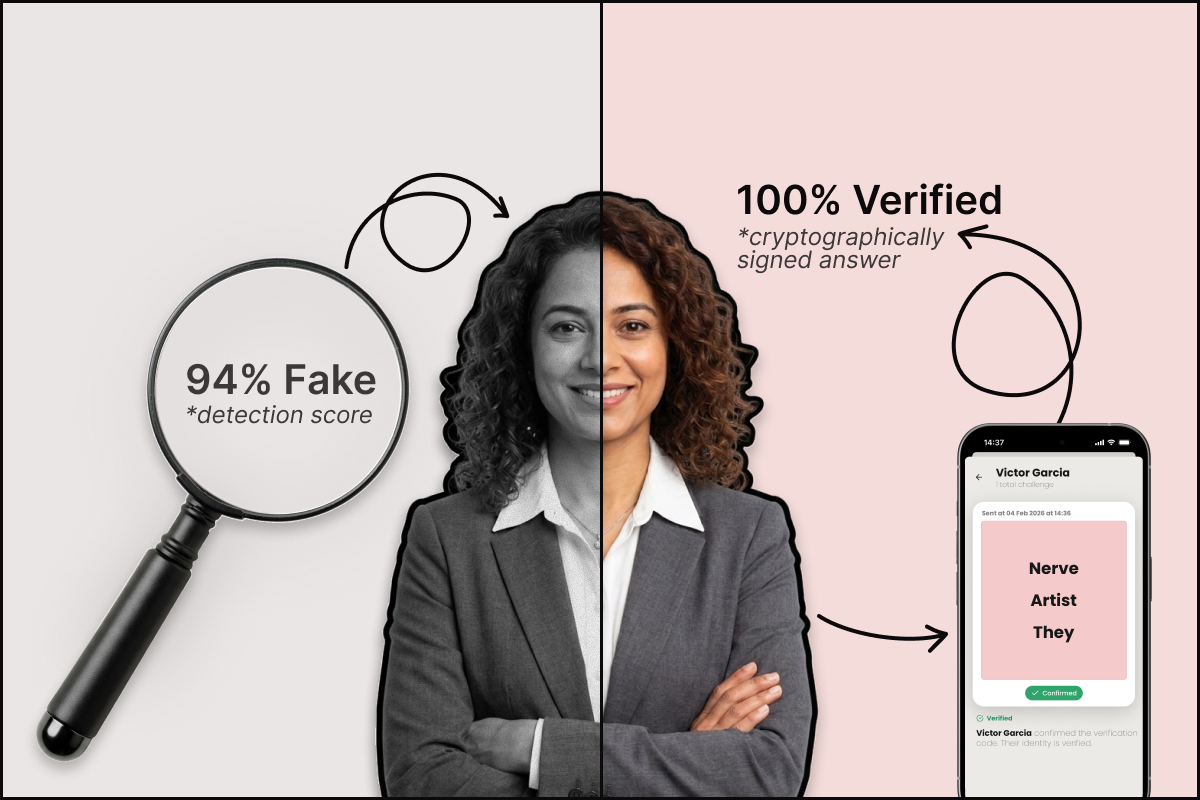
Verify a request, not just a channel. Switching to a different app or calling back on a number you have saved is not enough. Scammers compromise multiple channels. The only reliable check is confirming that the right person genuinely made the request, which is exactly what UnDoubt is built to do.
Report it. If you receive a suspicious HMRC email or text, visit GOV.UK and search for HMRC scams to find the right reporting page. Report all other fraud in the UK to Action Fraud.
Protect Your Personal Communications with UnDoubt Authentication App
The one thing deadline scams cannot survive is a genuine, mutual confirmation that the person making the request is who they say they are, and that they actually made it.
Our person-first verification app lets you confirm the counterparty in real time, before you pay, share, or click. Both sides verify. The request is confirmed. Impersonation fails before it lands.
Whether it is a message from a friend stranded abroad needing money sent urgently or a family member asking you to transfer funds. UnDoubt gives you certainty in seconds, without friction and without compromising anyone's privacy.
Download UnDoubt app now and protect your money and data from impersonators.
Frequently Asked Questions
What is a fake HMRC call?
A fake HMRC call is when a scammer contacts you by phone, text, or email pretending to be from HMRC. They typically claim you owe unpaid tax, face a fine, or are owed a refund, and pressure you to act immediately. HMRC will never demand payment by phone, threaten arrest, or ask for your password.
How do I report a fake HMRC call or tax scam in the UK?
Visit GOV.UK and search for HMRC scams to find the correct reporting page for calls, texts, and emails. For all other fraud, report directly to Action Fraud.
What is a DVLA scam text?
A DVLA scam text is a fraudulent message claiming your vehicle tax is overdue or your driving licence needs urgent renewal. It usually includes a link to a fake GOV.UK website designed to steal your payment details.
Why do scammers use deadlines and urgency?
Urgency disrupts rational thinking. When people believe they must act immediately to avoid a fine, arrest, or suspended account, they are less likely to stop and verify. Scammers time their messages around real UK deadlines, such as Self Assessment, road tax renewal, and council tax demands, so that the message feels expected and credible.
Can switching to a different channel protect me from impersonation fraud?
Calling back on a saved number or switching to a different app is not enough on its own. Scammers increasingly compromise multiple channels at once, including email, phone, and messaging apps. The only reliable protection is confirming that the right person genuinely made the request, which is what UnDoubt App is built to do.
What is authorised push payment fraud?
Authorised push payment fraud (APP fraud) is when a person is tricked into voluntarily transferring money to an account controlled by a scammer. Unlike card fraud, the victim authorises the payment themselves, often believing they are acting on a legitimate request.
How can businesses protect themselves from CEO fraud and invoice fraud?
The most effective protection is verifying high-risk requests through a secure channel before any payment, access, or approval is granted. UnDoubt is building an enterprise-grade verification solution for exactly this purpose, covering helpdesk requests, payment approvals, and internal communications.